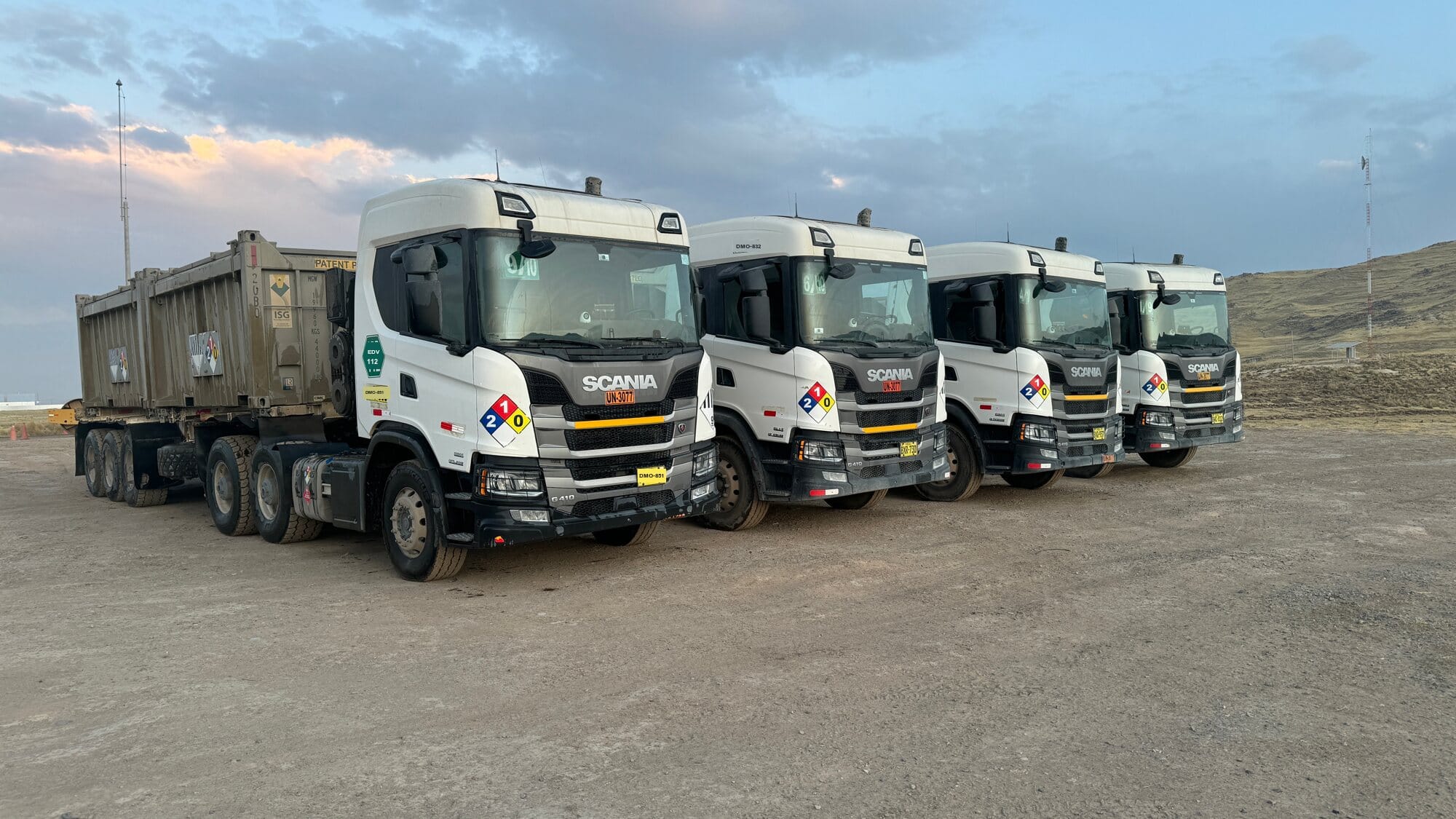
Fatigue, distraction and collision-risk detection
The unit reads the driver's face frame by frame and issues the alert inside the cab at the moment of the event: audible warning, seat vibration and light. The evidence is recorded on board and uploads to the platform over 4G.
Endeavant smart cameras combine anti-fatigue DMS and anti-collision ADAS with onboard artificial intelligence. The DMS maps 68 facial points and evaluates PERCLOS, blink rate, yawning and head position to detect fatigue, distraction and phone use. Three models — Avant 3, Avant 5 and Avant 8 — cover everything from basic fleets to full 360° monitoring.
Detected events
Every detection uploads with the DMS camera image, the plate, the speed and the time. The camera sees at night by infrared, and the unit carries a photobiological safety certificate: the lights do not harm the driver's eyesight.
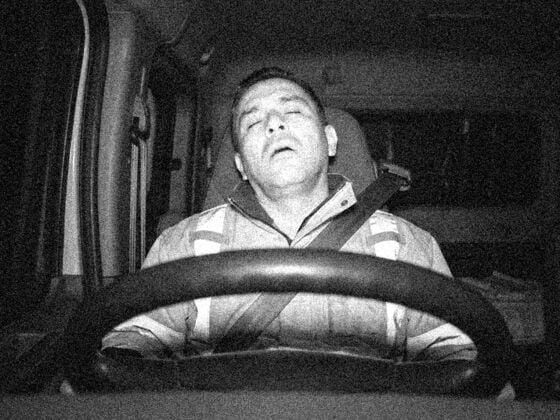
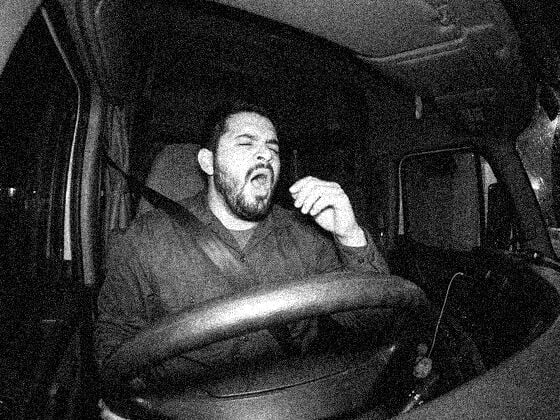
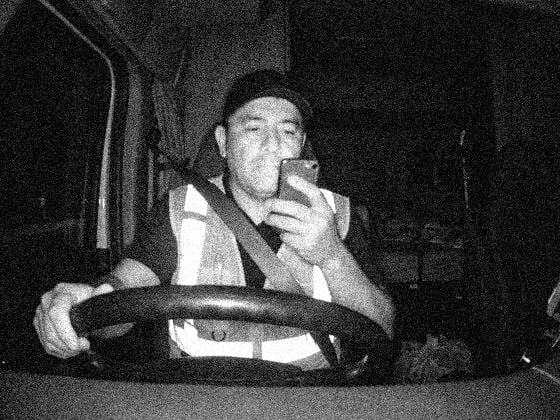
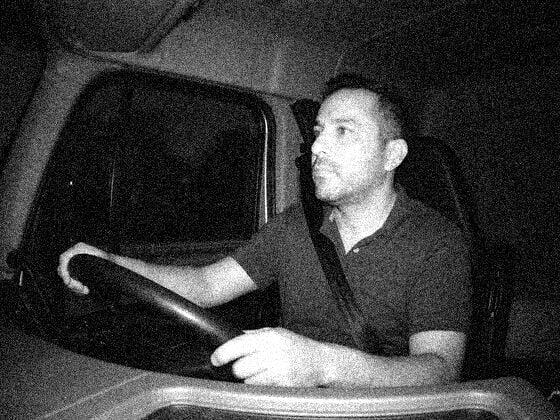
Screenshots come from a demonstration environment: plates, operation names and cab images are simulated data.
System configurations
The number on each unit is how many cameras it takes. The choice depends on how much of the vehicle you need to cover and how much video has to stay recorded on board.

3channels
- DMS facing the driver, processing on board
- Optional ADAS on the windshield, facing the road
- Optional cab camera
- Internal speaker and seat vibration motor
- On board
- 1 micro SD · 256 GB
- For
- Entry fleets and SMB

5channels
- DMS PRO with driver biometric recognition
- ADAS, plus BSD blind-spot radar on both sides
- Side and reverse cameras
- In-cab display and visual alert light
- On board
- 2 SD · 512 GB c/u
- For
- Freight transport
8channels
- Everything in the Avant 5, plus three more channels
- Cab, road, sides, reverse and tray at once
- Status LCD on the unit itself
- MIL-STD-810H vibration and shock certification
- On board
- 2 SD + SSD 1 TB
- For
- Mining and demanding operations
Detection capabilities
The DMS watches the driver. The ADAS watches the road. Both process on board, without depending on signal.
DMS · the driver
Fatigue and drowsiness
Microsleep, closed eyes and head nodding.
Yawning
Frequency and jaw opening amplitude.
Phone use
Phone in hand or against the ear while driving.
Distraction
Gaze off the road and sustained head turn.
Smoking
Lit cigarette in the cab.
Covered lens
Deliberate obstruction of the sensor.
Driver change
Biometric recognition on Avant 5 and 8.
ADAS · the road
FCW · forward collision
Risk of impact with the vehicle ahead, with time to react.
LDW · lane departure
Unsignaled line crossing, a common drowsiness signal.
HMW · headway monitoring
Insufficient distance for a safe stop.
Pedestrians and cyclists
Detection in the frontal risk zone, including in low light.
BSD · blind spots
Radar on the sides, where the mirror does not reach.
Harsh driving
Harsh acceleration, cornering and braking via accelerometer.
Fatigue detection process
Detection is not triggered by an isolated gesture. The processor tracks the face frame by frame and measures the persistence of each indicator before classifying the event and raising the alarm.
68-point facial mapping
The infrared camera captures the driver's face and traces a mesh of 68 key points on eyes, mouth, eyebrows and facial contour, even in total darkness.
Real-time pattern analysis
The AI processor continuously evaluates eye openness (PERCLOS), blink frequency, yawning, head nodding and head position.
Risk level classification
Algorithms classify the driver's state into levels: alert, mild fatigue, severe fatigue or microsleep, with over 98% accuracy.
Immediate multi-channel alert
Upon detecting risk, the system simultaneously activates an audible alarm, seat vibration and notification to the monitoring center with a photo and video of the event.
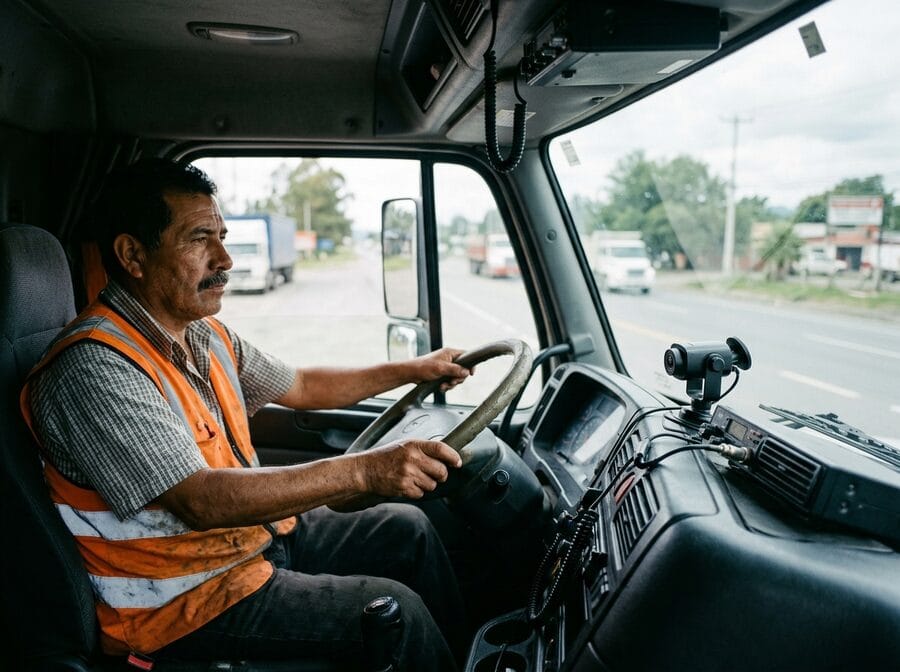
In-cab response
The correction happens during the event, not in a report the next day. Thresholds and voice prompts are configured per fleet.
Audible warning, right then
The unit warns inside the cab the moment it detects the event. It does not wait for someone to look at a screen.
Seat vibration
A 12 V or 24 V motor, for when sound is not enough.
Visual alert light
On Avant 5 and Avant 8, for high-noise environments.
Panic button
The driver fires an emergency alert with the position, and it enters the panel as top priority.
On-board recording and platform upload
The video is stored on the unit's card and the event is transmitted over 4G immediately.
Build and certifications
The unit operates inside the vehicle, exposed to constant vibration, dust and tampering attempts. All three are addressed in hardware: metal housing, protective case and certified mechanical testing.
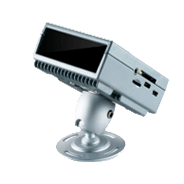
Anti-tamper case
Covers the connections, the communications SIM and the micro SD. To unplug the unit or pull the card you have to open the case.
Metal housing on a bolted base
Metal casing fixed to the dashboard. Installation and calibration hold up in the harshest conditions.
Dark filter over the infrared LEDs
The DMS needs infrared light to see at night; the filter dims the glare inside the cab.
Vibration and shock tested
The Avant 8 is certified to the MIL-STD-810H military standard for mechanical resistance.
Model comparison
Specifications by model
| Feature | Avant 3 | Avant 5 | Avant 8 |
|---|---|---|---|
| Video channels | 3 | 5 | 8 |
| DMS · driver monitoring | Integrated | PRO | PRO |
| ADAS · road monitoring | ● | ● | ● |
| Biometric recognition | — | ● | ● |
| BSD · blind-spot radar | — | ● | ● |
| Side and reverse cameras | — | ● | ● |
| Tray camera | — | — | ● |
| In-cab display | — | ● | ● |
| Seat vibration motor | ● | ● | ● |
| Panic button | — | Optional | ● |
| On-board storage | 1 micro SD | 2 SD | 2 SD + SSD |
| Solid-state drive | — | — | ● |
| Live 4G streaming | ● | ● | ● |
| MIL-STD-810H | — | — | ● |
System components
Each camera covers a different point of the vehicle and the central unit synchronizes them. When an alert is logged, the evidence includes what each channel captured in those seconds.
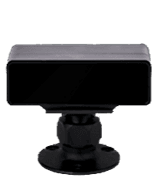
A058-DMS04
DMS camera
Faces the driver. Fatigue, closed eyes, yawning, distraction, phone, smoking and covered lens.
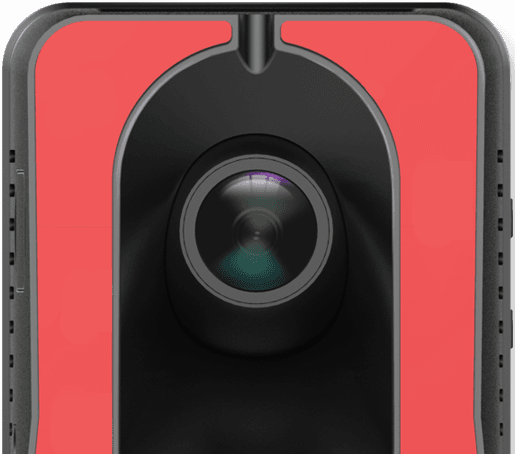
A358-ADAS03
ADAS camera
Mounts on the windshield. Forward collision, headway, lane departure and pedestrians.
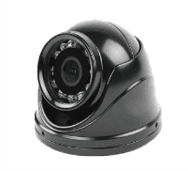
A358-IPC06
Cab camera
General view of the cab. For disputes about what was happening inside.
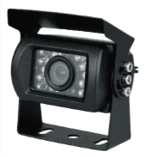
A058-HOD03
Side cameras
Cover the blind spot on both sides, where the mirror does not reach.
A058-REAR06
Reverse and tray camera
Reversing maneuvers and tray status during operation.
A058-BSD13
BSD radar
Warns when a person or vehicle enters the blind spot. Radar detection, not image-based.
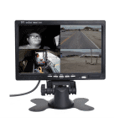
A058-Display
In-cab display
Shows DMS, ADAS and BSD alerts as they happen, with status indicators.
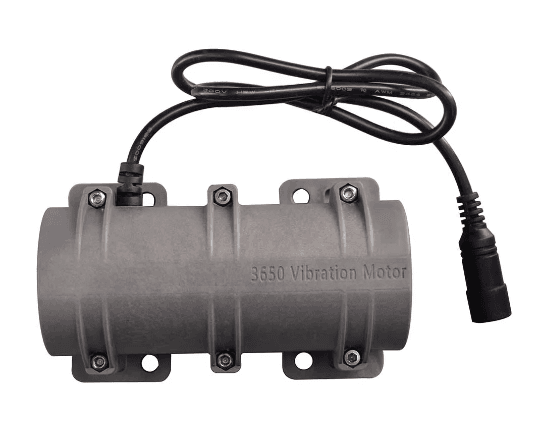
A358-VIB24V
Seat vibration motor
12 V or 24 V motor under the seat, for when sound is not enough.
Everything connected to Endeavant Cloud
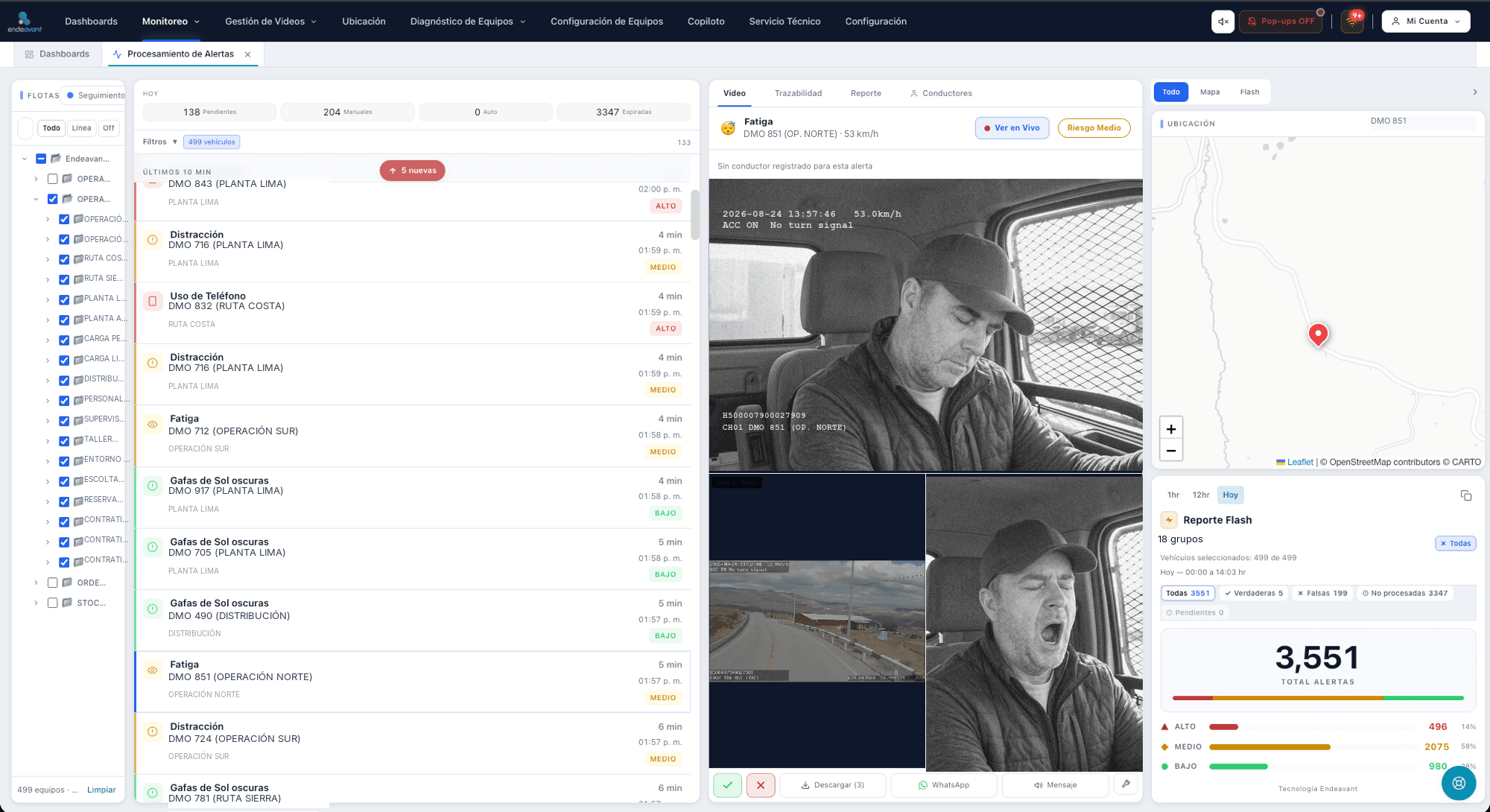
Every alert, video and data point generated by DMS and ADAS cameras is centralized in our fleet management platform. Real-time monitoring, automated reports and complete traceability of every event.
Real-time alert monitoring with photo and video
Diagnostics of each installed device's status
GPS location and historical routes for each vehicle
Video management and downloads from any camera
Driver rankings and automated email reports
Frequent technical questions
What is the difference between the Avant 3, 5 and 8?
The number is how many cameras each unit takes. The Avant 3 takes up to 3 and runs the AI in the camera itself, without multi-channel recording. The Avant 5 takes up to 5 and adds DMS PRO with driver recognition, blind-spot radar, side cameras and an in-cab display. The Avant 8 takes up to 8 and adds the tray camera, a solid-state drive and MIL-STD-810H certification.
Does it detect the driver falling asleep or using a phone?
Yes, and it does not wait for the head nod. The DMS tracks the face frame by frame and measures how long each gesture holds: closed eyes, yawning, gaze off the road, phone in hand, smoking and a covered lens. Once it confirms the event it warns inside the cab right then.
Does the infrared light harm the driver's eyesight?
No. The DMS needs infrared light to see at night, and the unit carries a photobiological safety certificate. It also has a dark filter that dims the glare inside the cab.
Can the driver disconnect the unit?
The protective case covers the connections, the communications SIM and the micro SD card, so unplugging it or pulling the card means opening the case first. And if someone covers the lens, the DMS logs that as an event and reports it.
Can I watch the cameras live and review recordings?
Yes. All three models report to Endeavant Cloud: live video, route playback, and the video for each alert with 15 seconds before and 15 after, with one file per camera.
How long does installation take?
Seven to eight hours per vehicle, including the unit, every camera and the alert threshold configuration for the fleet's operation.
Does it work for mining operations?
Yes. That is what the Avant 8 is for: cab, road, sides, reverse and tray covered at once, with MIL-STD-810H vibration and shock certification.
We assess your operation
A specialist reviews your vehicles, routes and shifts, and proposes the equipment, alerts and level of monitoring that fit your fleet.